
"bean inspection"
2000 article(s) found

China Coffee Export process Coffee Import Declaration process Coffee Hong Kong tax Import process
With regard to the policy of the coffee industry, the editor believes that more attention must be paid to dealers and manufacturers who need foreign imported coffee raw materials. After all, the industry policy will continue to improve with the progress of society. To find business opportunities in the overseas trade market game, we must be forward-looking. The domestic market has great potential in the future, and the raw materials of imported coffee are bound to fluctuate. How to focus on consumption?

Acidity and texture introduction to the characteristics of Coffee Flavor Manor in Xidamo Shaqiso producing area
In Ethiopia, the grading and quality control system of coffee is divided into three levels: producer, regional and national. All coffee is inspected by local inspection agencies before leaving the country of origin, and then re-tested at the coffee inspection and grading centers in Addis and Diredawa to determine its quality grade. Coffee is graded before auction and sale, for all involved in production, acquisition,

Introduction to the variety characteristics of Ethiopian G1 coffee flavor description treatment
Ethiopia Coffee Bean introduction in Ethiopia, the grading and quality control system of coffee is divided into three levels: producer, regional and national. All coffee is inspected by local inspection agencies before leaving the country of origin, and then re-tested at the coffee inspection and grading centers in Addis and Diredawa to determine its quality grade. Coffee is graded before auction and sale.

Introduction to the description of Origin and Flavor of Coffee Bean varieties in Ethiopia
Ethiopian Coffee Variety introduction in Ethiopia, the grading and quality control system of coffee is divided into three levels: producer, regional and national. All coffee is inspected by local inspection agencies before leaving the country of origin, and then re-tested at the coffee inspection and grading centers in Addis and Diredawa to determine its quality grade. Coffee is divided before auction and sale

Jiaxing imported coffee beans for the first time
Recently, the imported coffee beans accepted by Jiaxing Inspection and Quarantine Bureau for the first time have been successfully sold in the domestic market. The total amount of coffee beans is 15.5 tons, with a value of US $173000. The products include Yejia Fichel coffee raw beans, Sidamowoka coffee raw beans, Panamanian emerald, Ilida, Hartman and other manor-grade coffee raw beans, with a total of 16 varieties, which is by far the first in Jiaxing port.

Introduction to the characteristics of the manor producing area with strong flavor of Ethiopian coffee
In Ethiopia, the grading and quality control system of coffee is divided into three levels: producer, regional and national. All coffee is inspected by local inspection agencies before leaving the country of origin, and then re-tested at the coffee inspection and grading centers in Addis and Diredawa to determine its quality grade. Coffee is graded before auction and sale, for all involved in production, acquisition,

Introduction to Ted Manor in Sidamo Coffee producing area of Ethiopia with acidity and texture
In Ethiopia, the grading and quality control system of coffee is divided into three levels: producer, regional and national. All coffee is inspected by local inspection agencies before leaving the country of origin, and then re-tested at the coffee inspection and grading centers in Addis and Diredawa to determine its quality grade. Coffee is graded before auction and sale, for all involved in production, acquisition,

The relationship between Kenyan coffee and Arabica coffee beans
In Ethiopia, the grading and quality control system of coffee is divided into three levels: producer, regional and national. All coffee is inspected by local inspection agencies before leaving the country of origin, and then re-tested at the coffee inspection and grading centers in Addis and Diredawa to determine its quality grade. Coffee is graded before auction and sale, for all involved in production, acquisition,

Ethiopian Coffee Flavor Taste Manor introduces Ethiopian Coffee Brands
In Ethiopia, the grading and quality control system of coffee is divided into three levels: producer, regional and national. All coffee is inspected by local inspection agencies before leaving the country of origin, and then re-tested at the coffee inspection and grading centers in Addis and Diredawa to determine its quality grade. Coffee is graded before auction and sale, for all involved in production, acquisition,

Ethiopian Coffee characteristics introduce Ethiopian Coffee Brand Ethiopian Coffee varieties
In Ethiopia, the grading and quality control system of coffee is divided into three levels: producer, regional and national. All coffee is inspected by local inspection agencies before leaving the country of origin, and then re-tested at the coffee inspection and grading centers in Addis and Diredawa to determine its quality grade. Coffee is graded before auction and sale, for all involved in production, acquisition,

Characteristics of flavor and taste quality of sun Xidama coffee beans introduction of manor treatment methods in producing areas
Characteristics of flavor and taste quality of sunburn Sidama coffee beans in producing areas the grading and quality control system of coffee in Ethiopia is divided into three levels: producer, regional and national. All coffee is inspected by local inspection agencies before leaving the country of origin, and then re-tested at the coffee inspection and grading centers in Addis and Diredawa to determine its quality grade.

Introduction of Ethiopian Coffee Bean varieties in Ethiopian Coffee Flavor Manor
In Ethiopia, the grading and quality control system of coffee is divided into three levels: producer, regional and national. All coffee is inspected by local inspection agencies before leaving the country of origin, and then re-tested at the coffee inspection and grading centers in Addis and Diredawa to determine its quality grade. Coffee is graded before auction and sale, for all involved in production, acquisition,

Requirements for Inspection and Quarantine record of Coffee planting Base (Yunnan)
1. Base basic conditions and requirements 1.1 continuous and have a certain scale, the area should not be less than 100 mu. 1.2 there shall be a natural or artificial effective isolation zone around the base. 1.3 No pollution sources around the base, such as chemical plants, paper mills, professional feeding
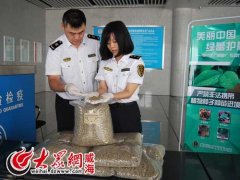
Can raw coffee beans sprout? Passengers carrying 60 kilograms of raw coffee beans into the country were returned.
Can raw coffee beans sprout? Passengers carrying 60 kilograms of raw coffee beans into the country were returned to professional baristas for communication. Recently, staff of Shandong Weihai entry-exit Inspection and Quarantine Bureau found that a passenger from Incheon, South Korea, attempted to bring large quantities of raw coffee beans into the country illegally during quarantine inspection at the seaport port. According to investigation, the batch

Want to put the roaster in your own cafe? These 30 review methods are worthy of your discussion.
Professional baristas exchange please pay attention to the coffee workshop (Wechat official account cafe_style) Shanghai Food and Drug Administration on soliciting the "Shanghai roasted Coffee Open production license examination rules (draft)" (June 9, 2017) Comprehensive Coffee experience House is a new type of industry that integrates coffee roasting production display and coffee catering service. For

Introduction to the characteristics of Ethiopian boutique coffee bean flavor and taste manor with suitable acidity
In Ethiopia, the grading and quality control system of coffee is divided into three levels: producer, regional and national. All coffee is inspected by local inspection agencies before leaving the country of origin, and then re-tested at the coffee inspection and grading centers in Addis and Diredawa to determine its quality grade. Coffee is graded before auction and sale, for all involved in production, acquisition,

The characteristics of the grindability of Ethiopian coffee with nut flavor introduction to the manor in the producing area
In Ethiopia, the grading and quality control system of coffee is divided into three levels: producer, regional and national. All coffee is inspected by local inspection agencies before leaving the country of origin, and then re-tested at the coffee inspection and grading centers in Addis and Diredawa to determine its quality grade. Coffee is graded before auction and sale, for all involved in production, acquisition,

Ethiopian coffee flavor manor area with nut flavor
In Ethiopia, the grading and quality control system of coffee is divided into three levels: producer, regional and national. All coffee is inspected by local inspection agencies before leaving the country of origin, and then re-tested at the coffee inspection and grading centers in Addis and Diredawa to determine its quality grade. Coffee is graded before auction and sale, for all involved in production, acquisition,
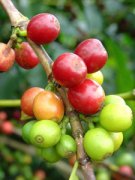
Introduction to Ethiopian Coffee
Ethiopia is one of the major producers of Arabica coffee in Africa, producing the best Arabian coffee in the world. It is said that coffee was first discovered by shepherds in Essekafa, and the name of coffee evolved from Kafa, so Essex is still the hometown of coffee. The geographical environment of coffee production and processing is very suitable for coffee growth. Coffee is mainly cultivated.

Ethiopian coffee plantation flavor taste introduction Ethiopian coffee characteristics
35% of coffee is courtyard coffee. In this coffee garden, the planting is three-dimensional distribution. Coffee sits in the lower layers, in the shade of other crops, to get the right environment to grow. Fertilizer is mainly deciduous, withered grass and animal manure. 5% of coffee is plantation coffee. This is a modern way of growing coffee. Coffee is grown in forests, but new varieties are used and mixed with other trees.